A Small Habit You Can Steal (With Four Recipes)

measuring ingredients

This spring, I picked up a small habit: batch-making salad dressings ahead of time instead of whisking one together each time I need it. It sounds minor, I know, but it's made a real difference and added ease and enjoyment to mealtime.

I used to mix a fresh dressing every time I put a meal together, which was time-consuming and, frankly, annoying. Now, I just open the refrigerator and pick from what’s already made — a small habit that makes a real difference at dinnertime.

You’ll find the recipes below. Taste as you go and adjust for what you like - more acid if it needs brightness, more salt, a little heat, a touch of sweetness to balance it out. Once you make these a few times, you'll get a feel for them and won't need to measure at all—you can just eyeball it.

Quick note: I make these in the blender (a small food processor works too) — it saves a step and emulsifies the dressing beautifully. No blender? A jar and a few good shakes work too — just grate the shallot and ginger (if using) first so they blend in. One more thing: if you're using raw garlic or shallot, the flavor is brightest in the first several days — it can turn slightly sharp or bitter the longer it sits in an acidic dressing.

Everyday House Vinaigrette

(big batch, ~2 cups)

  • 1 cup extra-virgin olive oil

  • 6 Tbsp red wine vinegar (or fresh lemon juice)

  • 2 tsp Dijon mustard (keeps it emulsified)

  • 1 small shallot (garlic is a good sub — 1–2 cloves)

  • 2 tsp honey or maple

  • Sea salt and pepper to taste

Blend until smooth, or grate the shallot and shake it all in a jar. Keeps 1–2 weeks — just shake before each pour.
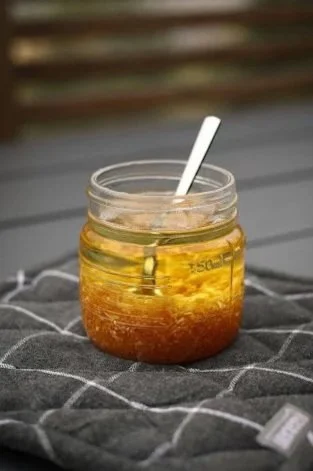
oil based salad dressing

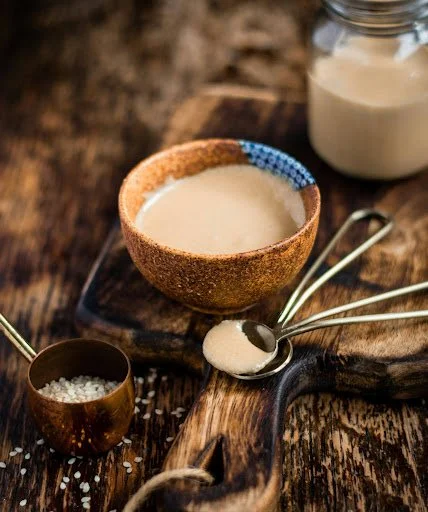
Lemon-Tahini Dressing

(big batch, ~1½ cups)

  • ½ cup tahini

  • ¼ cup fresh lemon juice

  • 2 Tbsp olive oil

  • 1 small shallot or 1 garlic clove (optional)

  • 1–2 tsp maple or honey (optional)

  • Sea salt and pepper to taste

  • 6–8 Tbsp warm water, to thin

Blend, or whisk/shake in a jar, adding the water a splash at a time until pourable. It thickens in the fridge — just loosen with a little water and shake. Keeps about a week. Lovely on salads, grain bowls, or roasted vegetables.


Green Goddess Yogurt Dressing

(makes ~1½ cups)

  • 1 cup plain full-fat Greek yogurt (non-fat works well too)

  • 1 cup soft fresh herbs, lightly packed (parsley, chives, basil, tarragon, or dill — any mix)

  • 3 Tbsp extra-virgin olive oil

  • 2 Tbsp fresh lemon juice

  • 1 small shallot (or 1 small garlic clove)

  • Sea salt and pepper to taste

  • A splash of water, to thin if needed

Blend everything until smooth and green. Creamy, tangy, and herby — as good over grilled chicken, fish, or a grain bowl as it is on greens (and it doubles as a dip for cut veggies). Best within 4–5 days, brightest in the first couple.

Sesame-Ginger Dressing

(makes ~1 cup)

  • 3 Tbsp soy sauce (or tamari)

  • 2 Tbsp rice vinegar

  • 2 Tbsp toasted sesame oil

  • 2 Tbsp neutral oil (like avocado or grapeseed)

  • 1 Tbsp finely grated fresh ginger

  • 1 tsp honey or maple (optional)

  • 1 tsp sriracha (optional, for heat)

  • 1 tsp toasted sesame seeds (optional, for texture)

Blend until smooth, or grate the ginger and whisk/shake in a jar. Keeps about a week — shake before pouring. Great on slaws, cold noodles, roasted vegetables, grain bowls, salmon, or tofu.
Head here for more recipes.

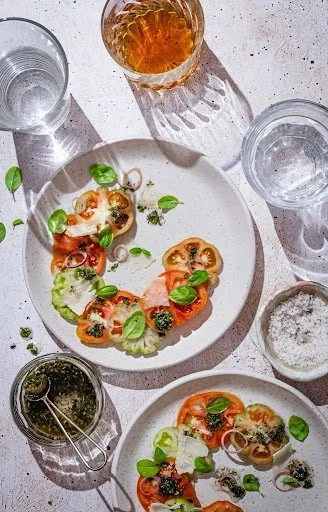
tomato salad

How to Create Meals That Naturally Boost GLP-1: The Secret to Better Health and Satiety

If you're looking to improve your health, manage your weight, and maintain stable energy levels, focusing on Glucagon-Like Peptide 1 (GLP-1) could be your secret weapon. GLP-1 is a hormone that plays a crucial role in regulating blood sugar levels, enhancing feelings of fullness, and supporting overall metabolic health. Here’s how you can create meals that naturally boost GLP-1 and help you feel your best.

What is GLP-1 and Why Is It Important?

GLP-1 is an incretin hormone produced in the gut in response to food intake. Its primary functions include:

● Regulating Blood Sugar: GLP-1 stimulates insulin secretion and inhibits glucagon release, helping to maintain stable blood sugar levels.

● Promoting Satiety: GLP-1 helps control appetite and reduce food intake by slowing gastric emptying and signaling fullness to the brain.

● Supporting Weight Management: The appetite-regulating effects of GLP-1 can aid in weight loss and management efforts.

● Enhancing Beta-Cell Function: GLP-1 supports the health and function of insulin-producing beta cells in the pancreas, which helps to lower blood sugar after a meal.

Key Components of GLP-1 Boosting Meals

When served in combination, these foods are particularly effective at stimulating GLP-1 production, balancing blood sugar, and creating feelings of fullness and satiety.

1. Fiber-Rich Foods: High-fiber foods such as vegetables, fruits, legumes, and whole grains are excellent for promoting GLP-1. Fiber slows digestion, which enhances the feeling of fullness and delays gastric emptying.

2. Protein-Rich Foods: Protein is known to increase GLP-1 secretion and is considered the most satiating macronutrient. Lean meats, fish, eggs, dairy products, tofu, and legumes are all good protein sources.

3. Foods Rich in Healthy Fats: Incorporating healthy fats, such as those found in avocados, nuts, seeds, and olive oil, can help increase GLP-1 levels and enhance the meal’s satiety factor.

Here’s a look at how these components can be combined to create delicious and nutritious meals throughout the day. Recipes for breakfast, lunch and dinner included!


BREAKFAST: Spinach and Mushroom Egg Scramble with Avocado

Ingredients:

  • 3 large eggs (protein)

  • 1/2 cup spinach, chopped (fiber)

  • 1/4 cup mushrooms, sliced (fiber)

  • 1/4 avocado, sliced (healthy fats)

  • 1 tablespoon olive oil (healthy fats)

  • Salt and pepper to taste

  • 1 slice whole-grain toast (fiber)

Instructions:

  1. Heat Olive Oil: In a non-stick skillet over medium heat, add the olive oil.

  2. Cook Vegetables: Add mushrooms and cook until they start to soften. Add spinach and cook until wilted.

  3. Scramble Eggs: In a bowl, whisk the eggs with salt and pepper. Pour the eggs into the skillet and scramble until fully cooked.

  4. Serve: Serve the egg scramble with avocado slices on top and a slice of whole-grain toast on the side.

*By combining these whole foods, you create a balanced meal rich in protein, fiber, and healthy fats, which can help naturally boost GLP-1 levels. The eggs provide a solid protein base, while the greens and mushrooms offer ample fiber and antioxidants. Healthy fats from avocado and olive oil enhance the meal's satiety factor and help elongate your blood sugar curve.


Lunch: Lentil and Quinoa Salad with Grilled Chicken

Ingredients:

  • 1 cup Arugula

  • 1/2  cup cooked lentils (protein and fiber)

  • 1/2  cup cooked quinoa (protein and fiber)

  • 1 grilled chicken breast, sliced (protein)

  • 1/2 cup cherry tomatoes, halved (fiber)

  • 1/4 cup cucumber, diced (fiber)

  • 1/4 avocado, diced (healthy fats and fiber)

  • 1/4 cup pumpkin seeds

  • 2 tablespoons olive oil (healthy fats)

  • 1 tablespoon lemon juice

  • Salt and pepper to taste

Instructions:

  1. Combine Ingredients: In a large bowl, combine lentils, quinoa, arugula, cherry tomatoes, cucumber, pumpkin seeds, and avocado.

  2. Dress the Salad: Whisk together olive oil, lemon juice, salt, and pepper. Pour over the salad and toss to combine.

  3. Add Chicken: Top the salad with sliced grilled chicken.

* The chicken, quinoa, and lentils provide a solid protein base and added fiber, while the greens and vegetables offer ample fiber and antioxidants. Healthy fats from avocado, seeds, and olive oil enhance the meal's satiety factor and elongate your blood sugar curve.


DINNER: Baked Salmon with Roasted Vegetables and Brown Rice

Ingredients:

  • 1 salmon fillet (protein and healthy fats)

  • 1 cup broccoli florets (fiber)

  • 1 cup cauliflower florets (fiber)

  • 1 red bell pepper, sliced (fiber and antioxidants)

  • 1 tablespoon olive oil (healthy fats)

  • 1 garlic clove, minced

  • 1 cup cooked brown rice (fiber)

  • Salt and pepper to taste

  • Lemon wedges for serving

Instructions:

  1.  Preheat Oven: Preheat your oven to 375°F (190°C).

  2. Prepare Salmon: Place the salmon fillet on a baking sheet lined with parchment paper. Drizzle with olive oil and season with garlic, salt, and pepper.

  3. Roast Vegetables: Toss broccoli, cauliflower, and bell pepper with olive oil, salt, and pepper and place on a separate baking sheet. Roast the vegetables and salmon for 20-25 minutes, until the salmon flakes easily with a fork and the vegetables are tender.

  4. Serve: Serve the baked salmon with roasted vegetables and a side of brown rice. Squeeze lemon juice over the salmon for extra flavor.

* The salmon provides the protein base, while the roasted and brown rice vegetables add ample fiber and antioxidants. Healthy fats from olive oil help elongate your blood sugar curve and enhance the meal's satiety factor.


Additional Tips for Maximizing GLP-1 Production

● Stay Hydrated: Drink plenty of water throughout the day to support digestion and metabolism.

● Eat Slowly: Taking your time to eat can help with digestion and hormone regulation.

● Include Fermented Foods: Foods like yogurt, kefir, sauerkraut, and kimchi contain probiotics that can positively influence gut health and, in turn, GLP-1 production. Adding small servings of probiotic-rich foods to your plate promotes a healthy gut microbiome.

Last thoughts:

By thoughtfully combining whole foods, you can create meals that not only taste great but also support your body’s natural production of GLP-1, leading to better appetite control, sustained energy, weight management, and overall health. Remember to eat mindfully, add fermented foods to your plate, relax and enjoy your meal!  

Four Nutrient-Dense, Delicious Smoothies Recipes to boost promote GLP-1 .

Smoothies are a convenient and delicious way to pack in nutrients, especially when you’re on the go. By incorporating ingredients that promote GLP-1 production, you can create breakfast smoothies that help regulate blood sugar, enhance satiety, support overall metabolic health, and keep you energized and focused all morning long. Here are four recipes that can be customized for personal preferences.


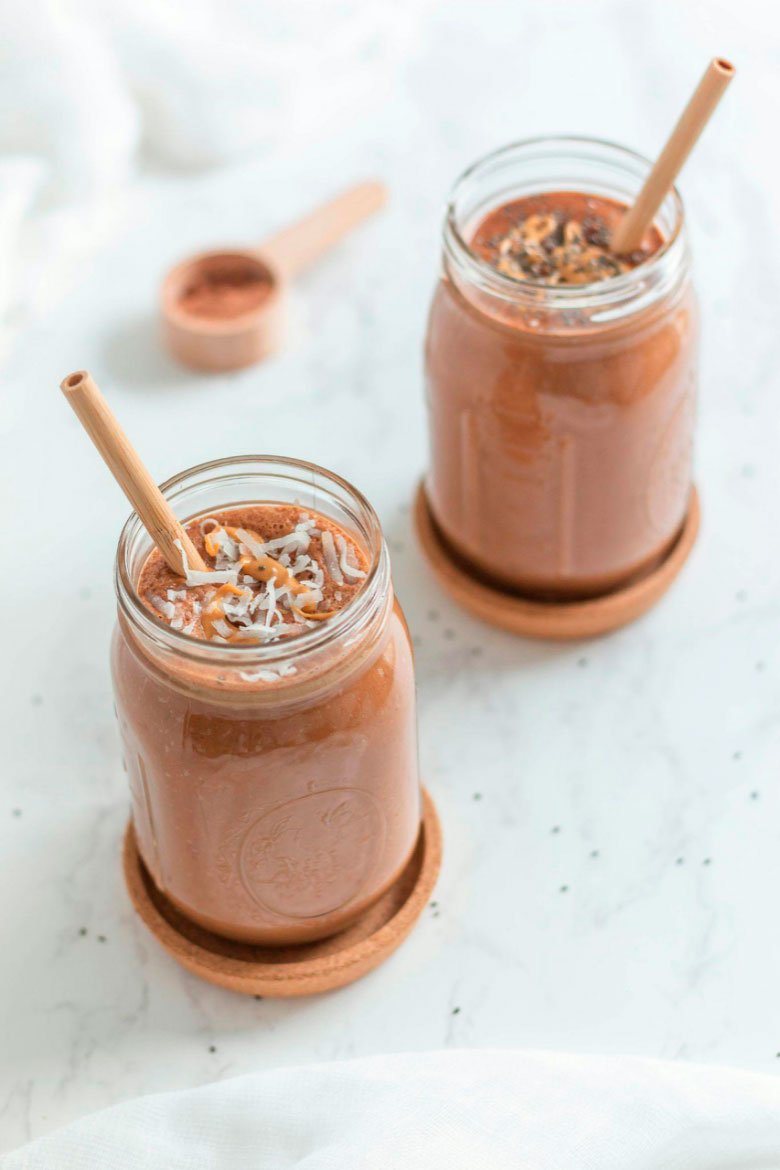
Chocolate-Banana Smoothie

This creamy chocolate smoothie feels indulgent. Some of my clients like to substitute cold brew coffee for soy milk for an added boost of energy.

Ingredients:

  • 1 cup unsweetened soy milk (or any preferred milk. I like soy because it is more nutrient-dense and high in protein)

  • 1 serving chocolate protein powder (whey, pea, or your choice)

  • 1 banana (preferably pre-sliced and frozen for natural sweetness and creaminess)

  • 1 tablespoon chia or Zen Basil seeds (fiber and healthy fats)

  • 2 tablespoons almond butter or peanut butter (protein and healthy fats)

  • 1 tablespoon unsweetened cacao powder (for extra chocolate flavor and antioxidants)

  • Ice cubes (optional a colder, thicker smoothie)

Instructions:

Add Ingredients to Blender: Combine until creamy and smooth.

Serve Immediately


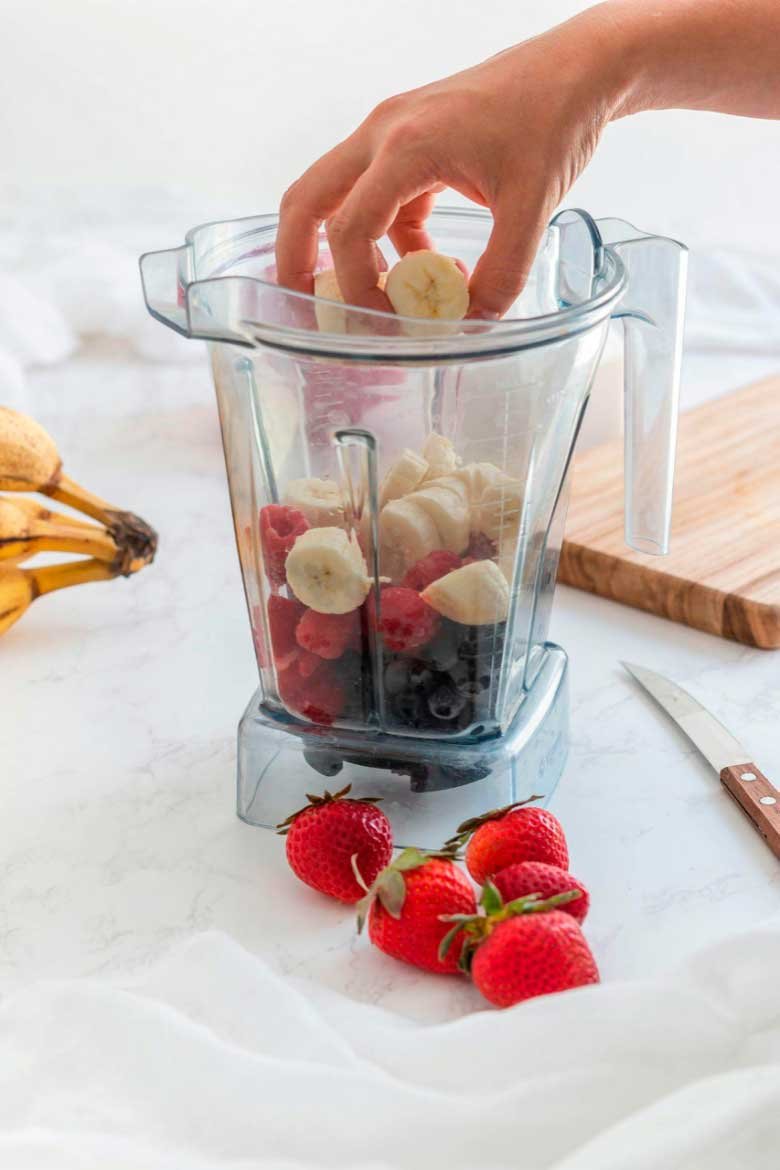
Berry Bliss Yogurt Protein Smoothie

This satisfying smoothie is packed with gut-loving probiotics, antioxidants, and fiber that will boost your GLP-1 and curb pesky cravings.

Ingredients:

  • 1 cup Non-fat Greek yogurt (protein)

  • 1/2 cup mixed berries (blueberries, strawberries, raspberries) (fiber and antioxidants)

  • ½ banana (preferably pre-sliced and frozen for natural sweetness and creaminess)

  • 1 tablespoon flaxseeds (fiber and healthy fats)

  • 1-2 tablespoons almond butter (protein and healthy fats)

  • ½  cup unsweetened soy milk (or any preferred milk. I like soy because it is more nutrient-dense and high in protein)

  • Ice (optional for a colder, thicker smoothie)

Instructions:

  1. Combine all ingredients in a blender.

  2. Blend until smooth and well combined.

  3. Pour into a glass and enjoy immediately.


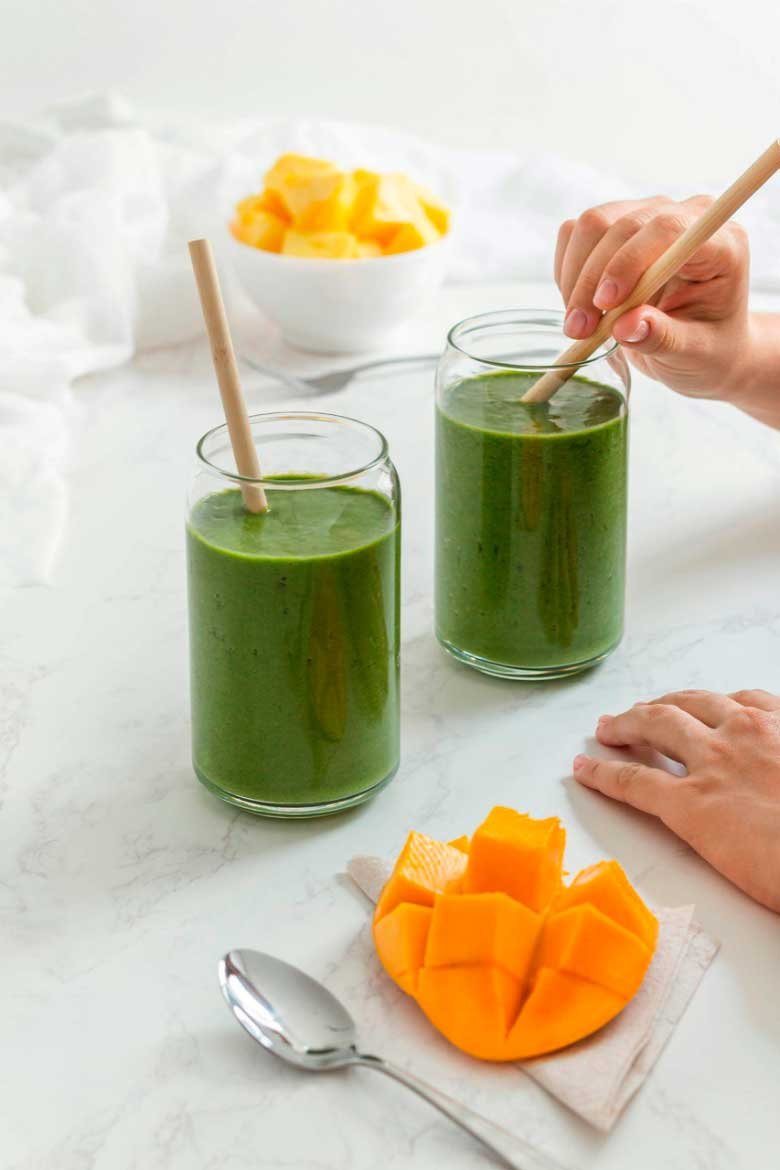
Tropical Protein Smoothie

This refreshing and nutrient-rich smoothie supports GLP-1 production and metabolic health, helping you to stay energized and focused all morning.

Ingredients:

  • 1 cup water (hydration)

  • 1 scoop vanilla protein powder (whey, pea, or your choice)

  • 1 generous handful of baby spinach

  • 1/2 cup frozen mango chunks (fiber and natural sweetness)

  • 1/2 cup frozen pineapple chunks (fiber and natural sweetness)

  • 1 tablespoon chia or Zen Basil seeds (fiber and healthy fats)

  • Juice of ½-1 lemon, according to taste.

  • 1/4 cup Greek yogurt (protein)

  • Ice cubes (optional for a colder, thicker smoothie)

Instructions:

  1. Add all ingredients to a blender.

  2. Blend until smooth and creamy.

  3. Pour into a glass and enjoy immediately.


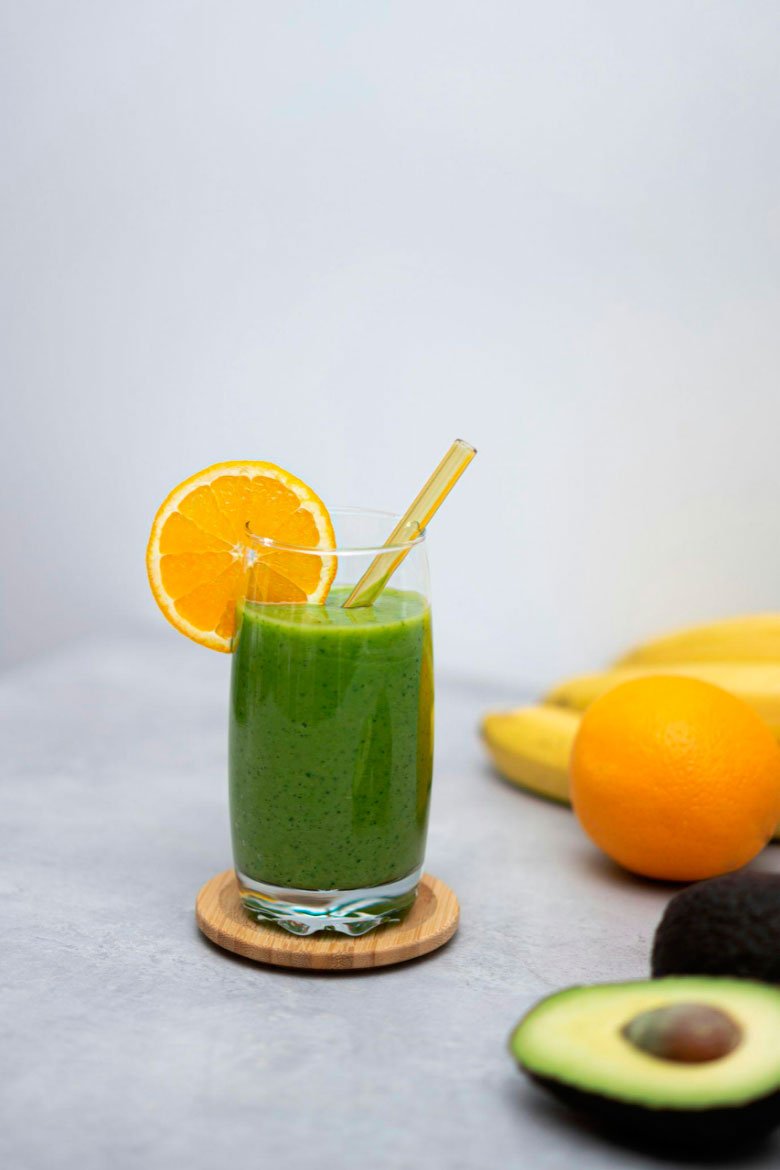
Green Goddess Protein Smoothie

Start your day right with this nutrient-dense smoothie, packed with greens, protein, and healthy fats.

 Ingredients:

  • 1 cup unsweetened soy milk (or any preferred milk. I like soy because it is more nutrient-dense and high in protein)

  • 1 scoop vanilla protein powder (whey, pea, or your choice)

  • 1 generous handful of spinach (fiber)

  • 1/4 avocado (healthy fats)

  • 1/2 medium banana, presliced and frozen if possible (fiber and natural sweetness)

  • 1 tablespoon Zen Basil or chia Seeds (fiber and healthy fats)

  • Ice cubes (optional, for a colder, thicker smoothie)


 Takeaway Tips for Making GLP-1 Boosting Smoothies:

1. Choose High-Quality Protein: Select protein powders that are low in sugar and high in protein. Whey protein, pea protein, and hemp protein are excellent choices. Greek Yogurt, which contains 26 grams of protein per 1 cup serving, is an excellent whole-food protein source if you are not sensitive to dairy.

2. Incorporate Fiber-Rich Ingredients: Adding leafy greens, fruits, chia, and flax seeds can increase the fiber content of your smoothies, which helps promote GLP-1.

3. Include Healthy Fats: Ingredients like avocado, nut butter, and seeds add healthy fats to your smoothie, enhancing satiety, slowing down digestion, and supporting GLP-1 production.

4. Hydration is Key: Use hydrating bases like unsweetened soy, almond milk, or water to keep your smoothie light and refreshing.

Enjoy experimenting with these nutritious recipes and feel the positive impact on your waistline, blood sugar, energy levels, cravings, and well-being!