
Diet & Nutrition


Each of these diets encourages a clean, whole-food approach to eating that strictly reduces or eliminates added sugars, processed grains, seed oils and packaged, processed food. Each diet also encourages followers to eat more plants, especially non-starchy, fiber-rich vegetables. These are foundational principles we can get behind and ones we feel can benefit anyone looking to eat better and feel better.
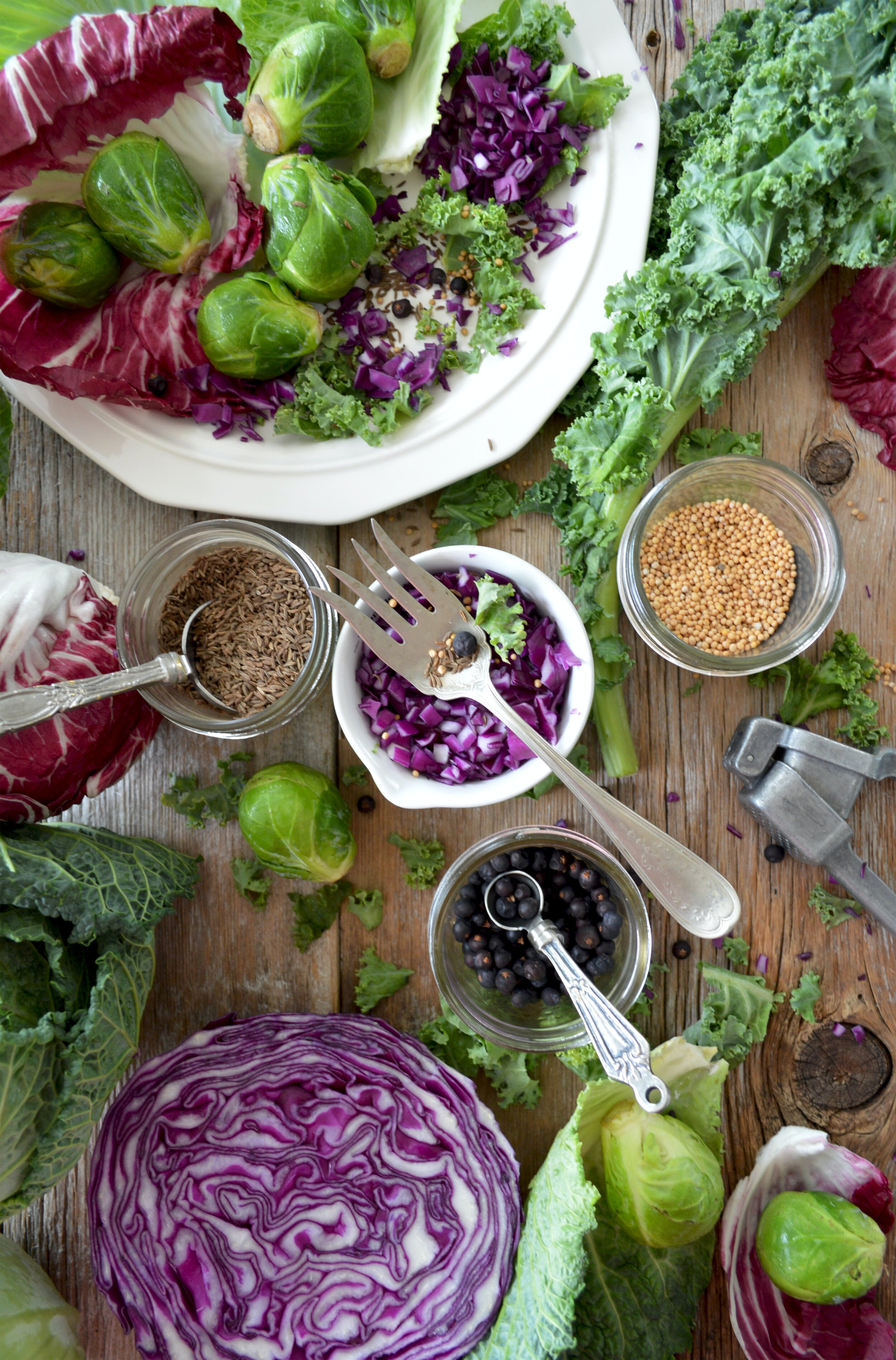
Whole30 is a 30-day elimination diet and clean eating plan that involves taking foods out of the diet that can trigger inflammation, digestive upset, cravings, and negatively impact hormone health, energy levels and immunity.

The Ketogenic Diet is a high fat, very low carbohydrate diet that replaces carbohydrates in your diet with lots of natural fats, so the body burns stored fat for energy (ketones) rather than glucose. This metabolic process is called ketosis. The ketogenic diet was introduced over a century ago to treat epilepsy and seizures in children who were unresponsive to medication.
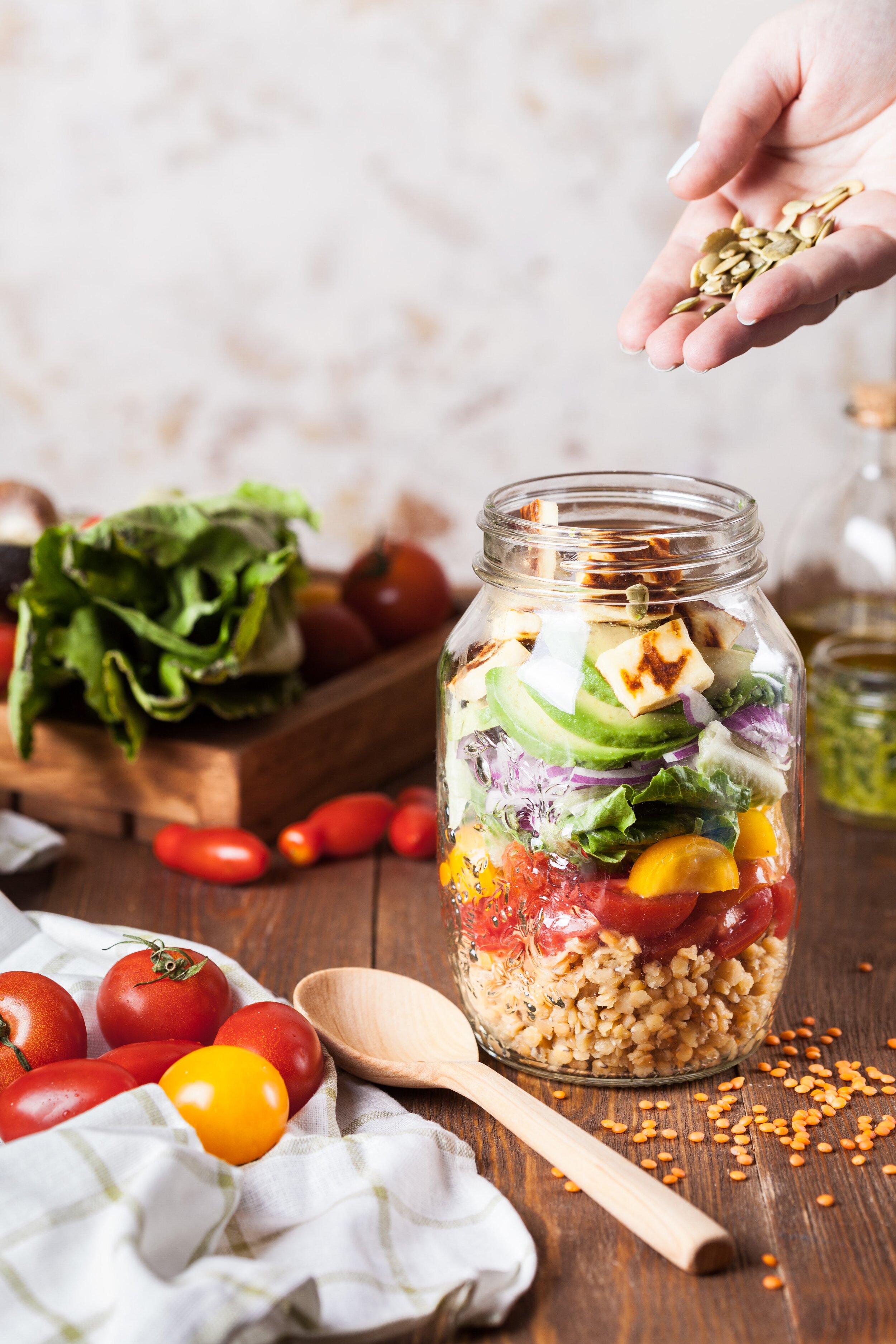
The vegan diet is a 100% plant-based diet that includes only plant foods and foods made from plants.
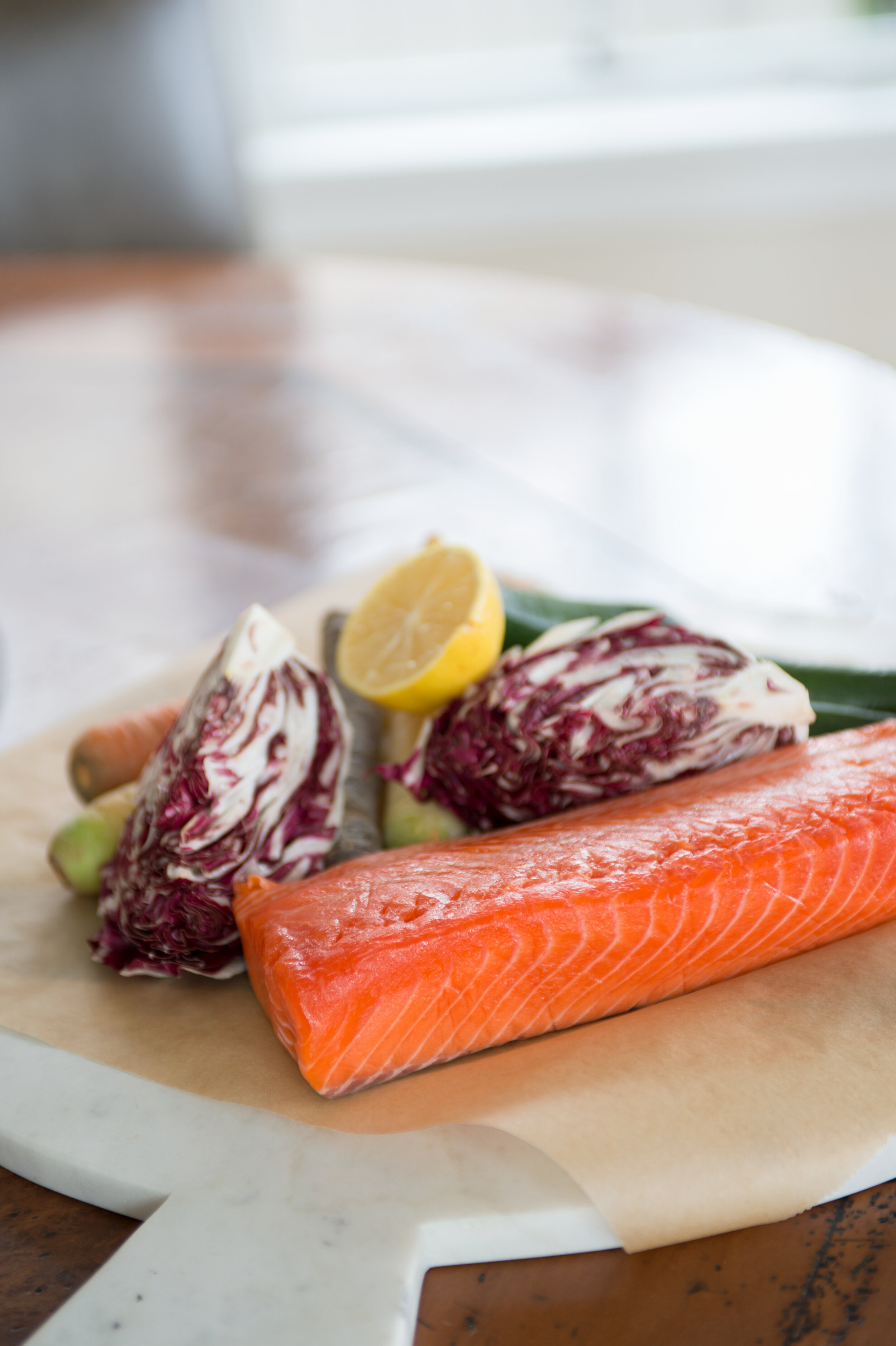
The Paleo Diet calls for a return to eating as our Paleolithic ancestors did 2.5 million years ago. Paleo proponents believe that our bodies are not genetically suited to the standard modern diet that emerged with farming and made dairy, grains, legumes, and more recently processed and sugary foods, staples of the human diet.

The Mediterranean Diet follows the traditional diet of populations living around the Mediterranean sea, especially in Italy and Greece. Unlike many other diets, The Mediterranean Diet is holistic and includes long-ingrained traditions of family meals, home cooked food, community, and daily physical activity. In short, the Mediterranean Diet is more than a diet. It’s a lifestyle.

Feeling confused about popular diets and not sure what you should be eating for optimal health, weight, and longevity? You’re not alone. There’s a lot of information in the wellness space, and much of it is polarizing and conflicting.

5 useful tips to help you navigate the supermarket, reduce spending and leave the grocery store with food that supports your wellness goals.


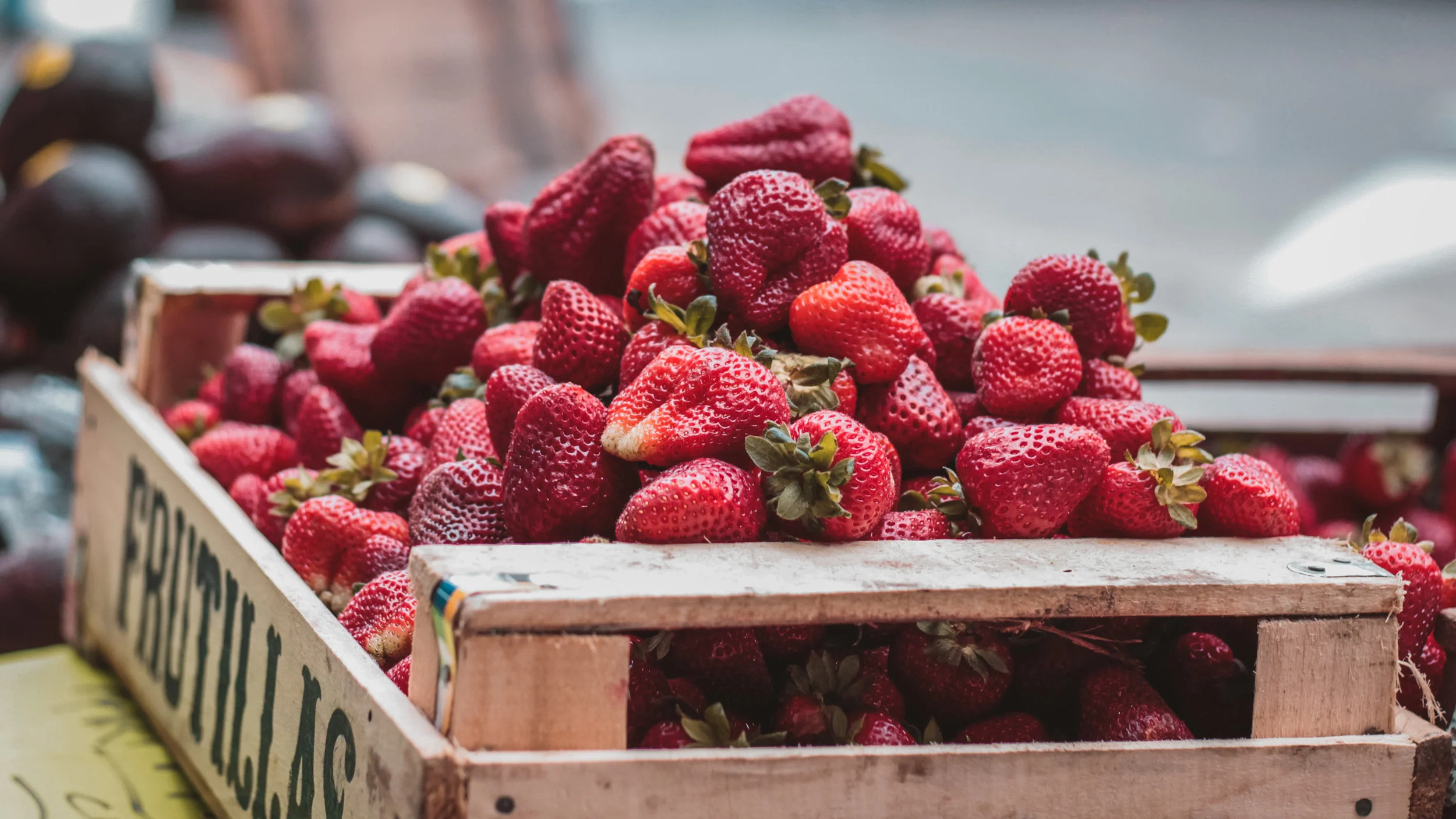
In the age of Keto and Low Carb, fruit is under fire for its high sugar content relative to other whole foods. With all the bad press, you may be wondering if fruit still has a place in a healthy diet, or whether it should be kicked to the curb alongside processed, sugary foods and beverages.

Yes, yes, you’ve heard it before. And yes, you know they’re really, really good for you. But just how many servings are you supposed to eat a day, anyway? And, how can you make room for them in your diet?


